
Category: Performance Art
-
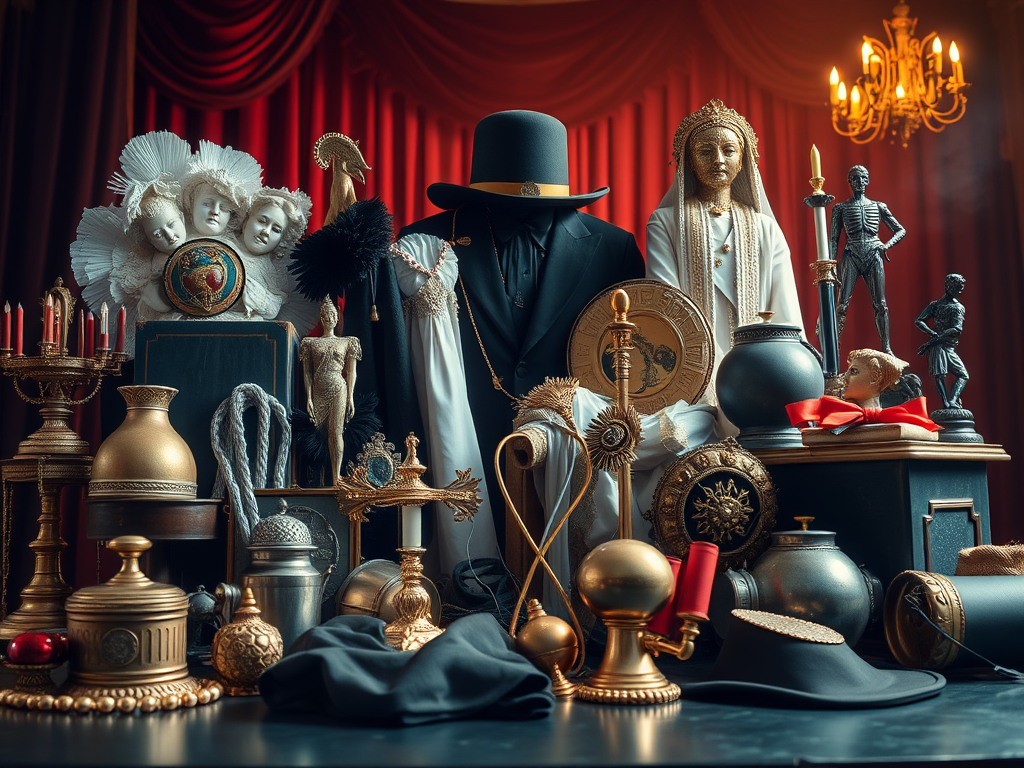
The Art Of Theatrical Properties
Though they often go unnoticed, when used effectively, properties — more commonly known as Props — play a vital role in making the magic of theatrical storytelling believable, and the work of the props team is indispensable in helping bring a director’s vision to life.
-

The Art of Writing a Theatrical Stage Play
Writing for the stage is both an art and a discipline. It requires not only imagination but also an understanding of the practical and emotional mechanics of theatre: to write an effective stage play, a playwright must think like a storyteller, a director, an actor, and even a stage manager, all at once.
-

The Art of Theatrical Scenic Design
As a collaborative art form, theatre merges words, movement, sound, and light into a single living staged experience. Amidst these sensory layers live the elements of Scenic Design — the walls, floors, backdrops, etc. of the set that’s used to support and amplify the telling of a story.
-
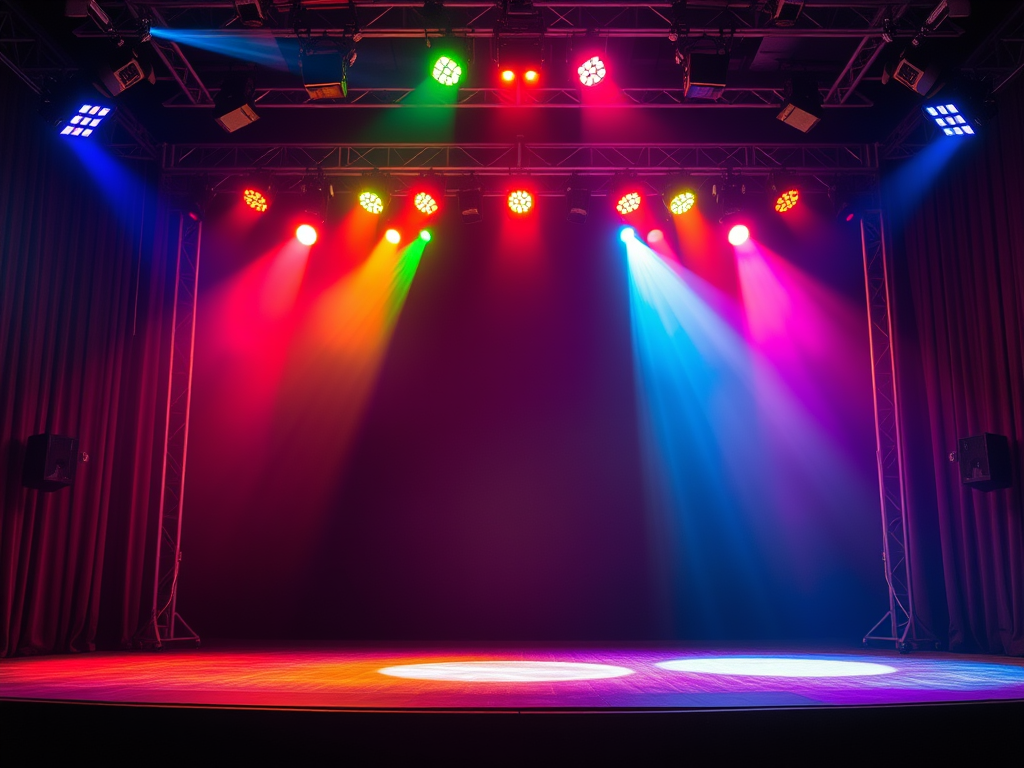
The Art of Theatrical Lighting Design
Light is both a functional necessity and an expressive art form: it illuminates the stage, directs focus, reveals texture, and above all, shapes the emotional and psychological atmosphere of a performance. A well-crafted lighting design not only enables the audience to see the action but also allows them to feel the story in a visceral, immediate way.
-
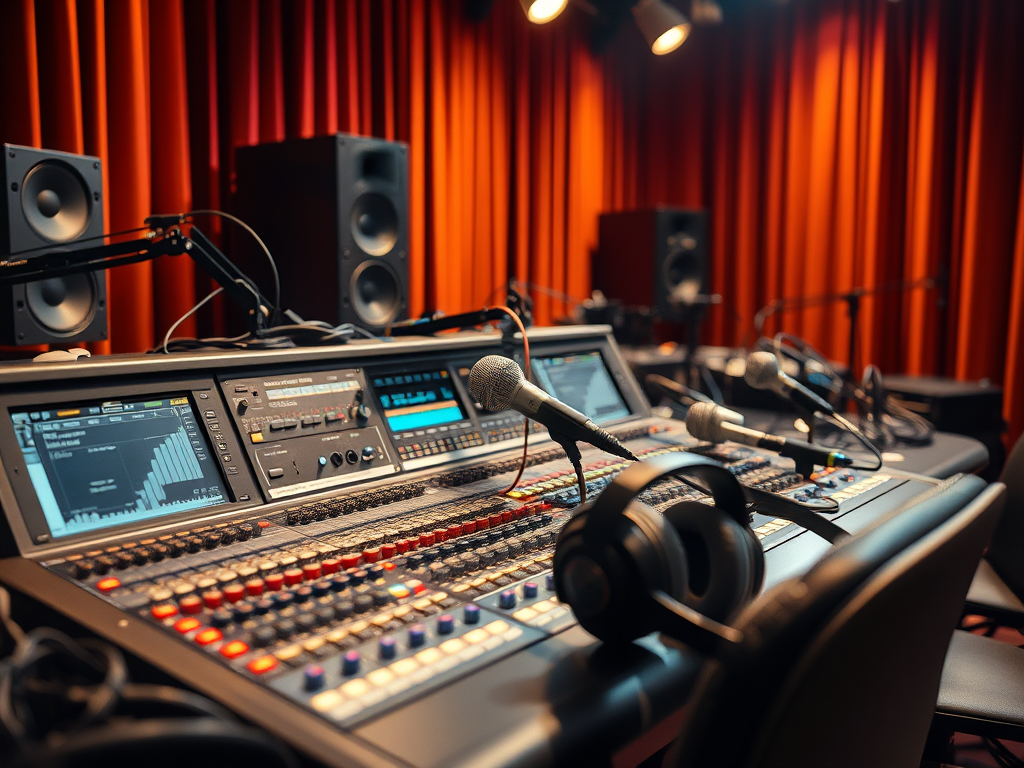
The Art of Theatrical Sound Design
From the rustle of leaves in a quiet forest to the thunderous crescendo of an impending storm, sound breathes life into the world of the play — engaging the imagination, manipulating tension, and underscoring emotion; guiding the audience’s response moment by moment.
-

The Art of Auditioning for a Theatrical Production
Auditioning is one of the most vital parts of theatrical production. For actors, it’s a brief opportunity to convince a director that they’re the perfect fit for a role. For directors, it’s a careful balancing act of instinct, evaluation, and decision-making as they search for the performers who can bring a show to life.
-

The Process of Rehearsing a Theatrical Production
Before the lights come up and the audience takes their seats on opening night, there exists the rehearsal process: the creative laboratory where imagination, discipline, and collaboration transform words on a page into a living, breathing work of art.
-
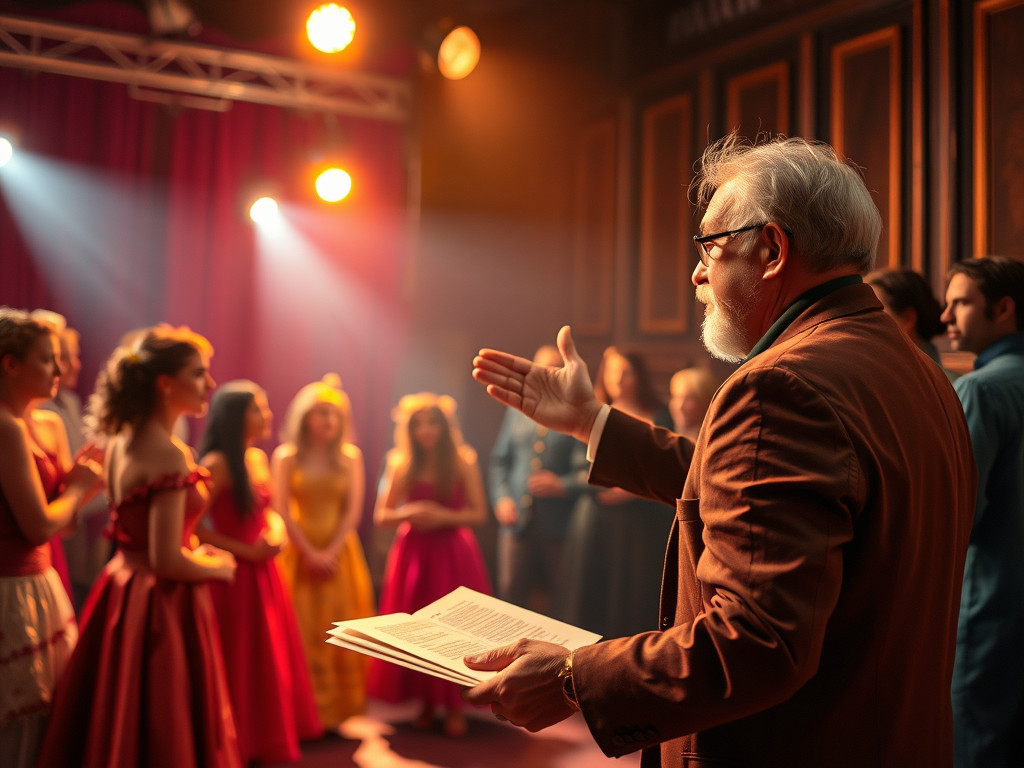
The Art of Directing a Theatre Show
Theatre is a collaboration across the many folks that make up any theatrical group. However, without some overarching force that unites these diverse creatives, the chances of producing a successful show are slim at best. This is the role of the Director.
-

The Collaborative World of Theatre
The world of theatre is a rich tapestry of artistry, logistics, collaboration, and passion. Whether mounted on the grand stage of a professional theatre or the intimate boards of a community playhouse, every production represents the culmination of a whole host of individual tasks carried out by a dedicated creative team.
